

At The Learning Experience in Denton, North Texas, the sounds of music aren’t just background noise—they’re an essential part of early learning.
Through a program called Little Musicians, children as young as a few months old are introduced to rhythm, melody, and creativity, developing skills that extend far beyond singing a simple song.
Music and Early Childhood Development
Before many children can form complete sentences or recognize letters, they are already exploring instruments like xylophones, shakers, and bells. Engaging with music at this stage stimulates brain development, strengthens memory, and enhances language skills.

Instagram | thelearningexperience | Through Little Musicians, North Texas's Learning Experience teaches infants early learning skills via music.
Studies show that early exposure to music supports areas of the brain responsible for processing sound and speech, giving children a foundation for both cognitive and emotional growth.
Courtney Bullock, assistant director at The Learning Experience, emphasizes the role of music as more than entertainment.
“Music helps children learn and grow by forming emotional connections. They can regulate emotions better and retain information more easily when music is integrated into their daily activities.”
Observing the Impact
Parents notice tangible changes as their children engage with music. Callie Sawyer, whose two children started music classes before turning one, observes the benefits firsthand.
“My daughter Charlie began at two months old, and my son at four months. By Christmas, they were singing songs like Twinkle Twinkle Little Star and Sleigh Ride,” she said.
Beyond language and memory, music fosters confidence. Shy children gradually become more expressive and willing to engage with peers, demonstrating the emotional benefits of early musical experiences.
Age-Specific Music Activities
The Little Musicians program tailors activities to each developmental stage:
1. Infants - Explore soft sounds using rain sticks and chimes, learning to mimic tones.
2. Toddlers - Play with bells to follow rhythms and develop timing skills.
3. Preschoolers - Use tambourines and drums to enhance coordination and beat recognition.
4. All Ages - Introduce musical concepts such as crescendo and decrescendo while identifying different instrument families.
The focus is not on perfect performance but on exposure, exploration, and self-expression. Children often begin singing or experimenting with sounds even before they are walking, highlighting their rapid adaptability to music.
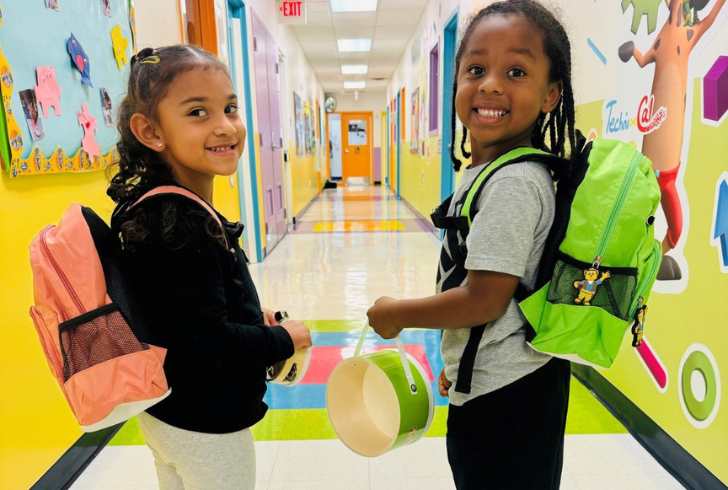
Instagram | thelearningexperience | Little Musicians builds core musical skills using different instruments and dynamic concepts.
Emotional and Social Growth
Music helps children connect with emotions and develop social skills. The simple act of creating a sound with an instrument or singing a familiar tune can spark joy and excitement, reinforcing positive behavior and boosting self-esteem. Teachers observe that these small achievements often lead to greater confidence in other areas of learning.
“Seeing a child light up when they create a sound for the first time is remarkable. The joy they show when participating reinforces their emotional growth,” Bullock explained.
Parents also see these effects at home, watching their children gain confidence, explore curiosity, and embrace new challenges.
Building Voice Through Music
Early music programs like Little Musicians do more than teach melodies. They help young learners develop rhythm, vocal skills, emotional regulation, and social abilities. Exploring and creating music gives children a sense of accomplishment and a space to express themselves freely.
By providing structured yet playful activities for infants, toddlers, and preschoolers, early music programs support cognitive, emotional, and social growth. Encouraging children to engage with instruments and songs helps them build confidence, emotional awareness, and a foundation for lifelong learning.