

The Aztec death whistle holds a reputation for producing one of the most unsettling sounds ever linked to an ancient artifact. Its reputation, though, depends on interpretation. Musicologist and archaeologist Arnd Adje Both from the Free University of Berlin notes that the sound people describe today differs from how the Aztecs likely understood it nearly 700 years ago. His research suggests that what might register as a scream to modern ears could have represented the fierce winds tied to the Aztec underworld.
Both explains, “We might have the impression that it's a scream, but it could actually be the impression of the howling wind of the underworld,” pointing to a cultural meaning deeply rooted in Aztec belief systems.
What Exactly Is an Aztec Death Whistle?

Instagram | tyrannostorus | Aztec Death Whistles are small, skull-decorated clay instruments with a haunting sound.
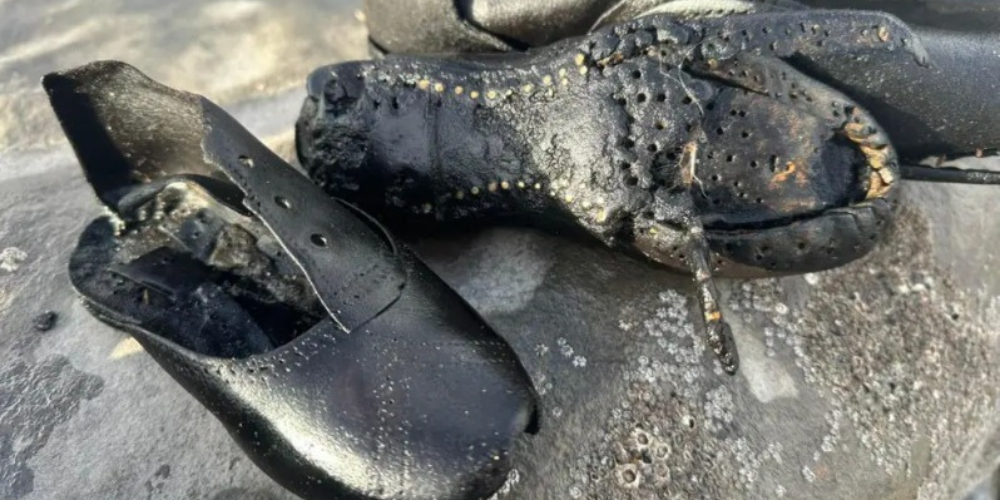
Often described as "skull whistles," these clay instruments—just a few inches long—carry striking skull designs and an eerie acoustic identity. Roughly half a dozen have surfaced at Aztec archaeological sites since the late 19th century, each tied in some way to sacred traditions.
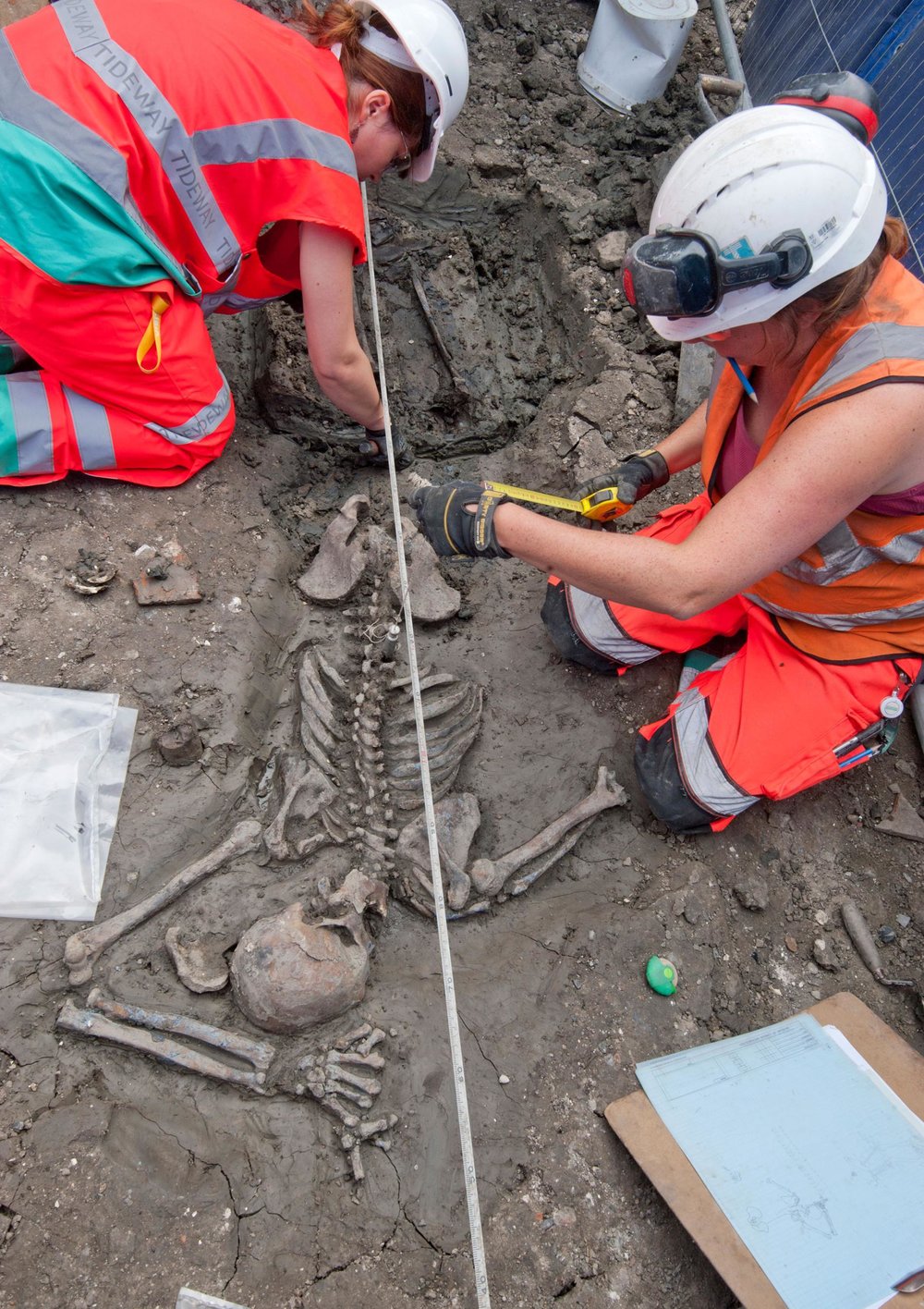
A major breakthrough occurred in the late 1980s at Tlatelolco, near the capital city of Tenochtitlán. Archaeologists uncovered two skull whistles placed firmly in the hands of a human sacrifice buried within a temple honoring the wind god Ehecatl-Quetzalcoatl.
This find sparked new research. Using x-ray imaging, replicas, and ethnological data, Both examined the whistles in depth. Their exact use remains uncertain, but he suggests they carried roles within rituals tied to death, including ceremonies involving human sacrifice. Any interpretation, he stresses, must remain grounded in Aztec religious thought.
The Symbolism Behind the Skull
These instruments do not resemble generic skulls. Some whistles feature headdress markings linked to Mictlantecuhtli, the Aztec god who rules over Mictlán, the underworld. That association offers strong insight into their intended meaning.
The presence of whistles with a sacrificed individual adds weight to the idea that they symbolized the dangerous winds believed to divide the deeper layers of Mictlán. Aztec mythology describes these winds growing more violent the further a soul moved beneath the earth. At one point, an “obsidian-bladed wind” reportedly removed the flesh from the newly dead. By the time a soul reached Mictlantecuhtli, the transformation into a skeletal form represented the completion of the passage.
To the Aztecs, death initiated renewal. The skull whistles appear to reflect that cycle, especially given their placement near a temple dedicated to Ehecatl-Quetzalcoatl, whose presence is often intertwined with Mictlantecuhtli in tales of death and creation.
How the Whistle Produces Its Haunting Tone
Both describes a detailed internal design hidden within the small clay body. A tubular stem directs air into a rounded sound chamber, where three internal cavities and a final bell-like section work together to create an oscillating, high-pitched tone. The result is a complex acoustic effect that can shift depending on how forcefully it is blown.

Instagram | wishhouseparks | Used in sacrifice rites, the unique-toned Aztec death whistle symbolized the soul's passage.
A 2024 study from the University of Zurich introduced a contrasting theory. Neuroscientist Sascha Frühholz and his team proposed that the whistles intentionally mimicked human screams during rituals. Frühholz noted, “The sound itself is really aversive... at some point you just want to say, stop it—I cannot listen to this sound anymore.” He argued they were too quiet for warfare but ideal for enclosed ceremonial spaces, possibly to alarm participants or victims during sacrificial rites.
Both, however, counters that interpretation. He explains that the scream-like sound emerges only when blown too hard. According to him, skull whistles fit within a Mesoamerican tradition of crafting instruments to mimic natural elements—such as animal calls or wind—and should be played softly to create the intended effect. In that context, the whistles likely echoed the divine underworld winds Aztecs believed every soul encountered.
“You have to know the Aztec culture,” Both emphasizes. “You have to understand that in order to make a good interpretation.”
Why the Aztec Death Whistle Still Fascinates
These artifacts reveal how sound shaped spiritual thought in Aztec culture. Their detailed construction and ties to sacred rituals offer a rare look at how the Aztecs reflected ideas of death, transition, and the forces guiding the afterlife.
The Aztec death whistle stands out for its unusual tone and its presence in ceremonies involving sacrifice. Its design and placement in archaeological contexts highlight the role it played within beliefs surrounding the underworld and the soul’s passage.
Although interpretations vary, the whistle consistently appears as more than a musical device. It represents a symbolic tool connected to the winds, deities, and mythic journeys that defined the Aztec understanding of existence beyond death.